A Plastic Surgery Marketing Plan for the Next 12 Months
A marketing plan does not need to be long. It needs an order. Twelve months in four quarters, from positioning to paid traffic, with the numbers to review each month.
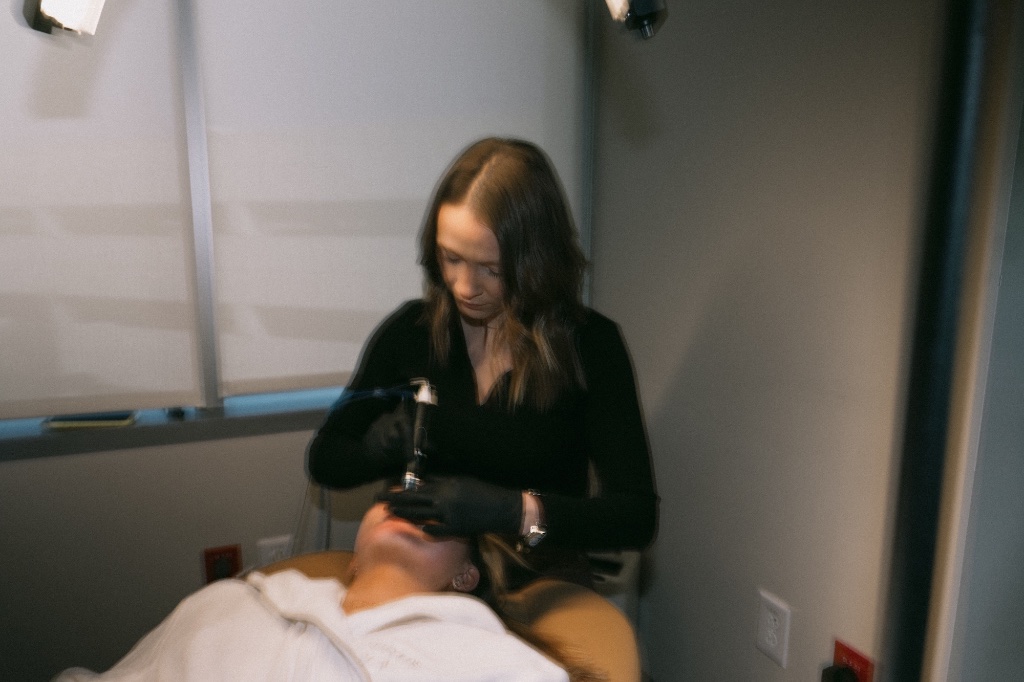
A plastic surgery marketing plan does not need to be long. It needs to say who you are for, what you will do each quarter, and how you will know it worked. Most plans fail because they are a list of tactics with no order, so the practice does a little of everything and nothing compounds.
This is the structure we use with practices: a short strategy section, then twelve months in four quarters, then the numbers to watch. It works for a new practice and for an established one that has been marketing without a plan.
Start with the market, not the tactics
Plastic surgery is a large, steady market. The American Society of Plastic Surgeons reported nearly 1.6 million cosmetic surgical procedures in the U.S. in 2024, led by liposuction, breast augmentation, and tummy tucks, and more than 28.5 million minimally invasive procedures. Demand is not the constraint. Being chosen is.
That means the first page of your plan is about positioning, not channels. Answer four questions in plain language:
- Who is the ideal patient? Age range, the procedures they want, what they care about, where they live.
- What are you known for, or want to be known for? One or two procedures you want to own, and why you are the right surgeon for them.
- Who are you up against? List the five practices a patient would compare you to. Look at their websites, reviews, and social accounts. Our city branding reports, such as the one for Dallas–Fort Worth, show what that comparison looks like.
- What do you want a patient to feel when they find you? This shapes the photography, the writing, and the consultation.
If you cannot answer these, fix that before spending on marketing. Everything below works better once they are settled.
Set three goals for the year
Keep it to three, and make them measurable. For example:
- Grow booked consultations for your lead procedure by a set number per month.
- Raise consultation-to-surgery conversion to a target percentage.
- Reach a target number of new Google reviews per month.
Revenue goals are fine, but these three are the levers that produce revenue, and you can act on them weekly.
Quarter 1: Foundation
The first quarter is about the things every patient checks before they call.
- Brand basics. A clear name and logo use, a short brand statement, a photo style, and a voice. If these are inconsistent across your site, Instagram, and office, fix them now. Our guide on personal branding for doctors covers how to balance the surgeon's name and the practice brand.
- Website audit. Does every key procedure have its own page? Is the surgeon's bio specific and current? Can a patient request a consultation from every page? Is the site fast on a phone?
- Google Business Profile. Complete every field, add recent photos, and set up a routine for asking every satisfied patient for a review.
- Before-and-after program. A written photo release that names each place images will appear, a consistent photo setup, and someone responsible for building the gallery.
- Tracking. Know where each inquiry came from and what happened to it. See our guide to plastic surgery lead generation for the numbers to track.
Quarter 2: Content that compounds
With the foundation in place, start building assets that keep working.
- Procedure pages. Expand the pages for your lead procedures: your approach, real results, recovery timeline, candidacy, and FAQs. These are your most important search pages, as we explain in plastic surgery SEO.
- Surgeon video. Short videos of the surgeon explaining a procedure, answering common questions, or walking through a consultation. They build trust faster than any other format.
- Instagram as a portfolio. Post consistently, lead with results and education, and make sure the profile looks like the website.
- Email. A simple monthly newsletter to past patients and leads. It keeps you in mind for the next procedure and for referrals.
Quarter 3: Referrals and reputation
By the third quarter you have proof to share.
- Physician and partner referrals. Introduce yourself to primary care physicians, dermatologists, OB-GYNs, and nearby med spas. Make it easy to refer and close the loop when they do.
- Patient referrals. Thank patients who refer, within the limits your state allows.
- Local press and expert commentary. Offer to comment on trends, safety, and recovery. Local media and trade publications regularly need credible sources.
- Events. Small educational evenings, in person or online, for a specific procedure.
Quarter 4: Scale what works
Now you have data. Use it.
- Review the numbers by source. Which channels produced booked surgery, not just leads?
- Add paid traffic carefully. Paid search and paid social work best once your pages convert and your follow-up is fast. Start with the procedures and areas that are already working.
- Refresh what is tired. Update photos, procedure pages, and bios.
- Plan next year. Keep what worked, drop what did not, and set the next three goals.
The numbers to review every month
| Area | Metric |
|---|---|
| Visibility | Website visits, search impressions, profile views |
| Inquiries | Leads by source |
| Speed | Median time to first reply |
| Consultations | Booked, attended, and conversion to surgery |
| Reputation | New reviews and average rating |
| Return | Cost per booked surgery, by channel |
A one-page monthly report with these numbers is enough. The point is to make decisions, not to produce a deck.
Budget and who does what
There is no single right budget. A new practice usually spends more in the first year on brand, website, and photography, then shifts toward content and paid traffic once those assets exist. An established practice often finds it can spend less by fixing conversion before buying more traffic.
Whatever the amount, decide who owns each part of the plan: the surgeon for video and expertise, a coordinator for follow-up and reviews, and an internal or outside team for brand, web, and content.
Compliance belongs in the plan
Build these into the plan rather than checking them at the end. This is general information, not legal advice.
- Patient photos and stories generally need written HIPAA authorization before they are used in marketing.
- Reviews and testimonials fall under the FTC's 2024 rule banning fake reviews and review suppression.
- State medical board rules add their own requirements. Texas, for example, sets out prohibited advertising practices in 22 TAC §164.3, including rules on testimonials, models, and certification claims.
Where to start
If you only do three things this month, write down your answers to the four positioning questions, fix your two most important procedure pages, and set up a review routine. Those three moves make every other part of the plan work better.
The brand side of the plan, the positioning, identity, website, and content, is the work we do for plastic surgeons. For channel ideas to slot into each quarter, see our plastic surgery marketing ideas.

Fernando Guerrero
Founder & Creative Director, ZOE Creative IO
Fernando leads brand consulting and development for plastic surgeons, med spas, and aesthetic practices from ZOE's studio in Dallas, Texas. About ZOE
What should a plastic surgery marketing plan include?+
Positioning (ideal patient, the procedures you want to own, competitors), three measurable goals, a quarter-by-quarter list of work, owners for each part, a budget, the metrics you will review monthly, and the compliance steps for photos, reviews, and advertising.
How much should a plastic surgery practice spend on marketing?+
There is no single right number. New practices usually spend more in year one on brand, website, and photography. Established practices often get more from fixing conversion and follow-up before buying more traffic. Judge spending by cost per booked surgery.
What are the best marketing strategies for plastic surgeons?+
The ones that compound: strong procedure pages, a consented before-and-after gallery, surgeon video, a steady review program, physician referrals, and a consistent brand across the website, social media, and the office. Paid traffic works best once those are in place.
How long does it take for a plastic surgery marketing plan to work?+
Response-time and review improvements can show results within weeks. Search and content usually take several months to build. That is why the plan puts the foundation first and paid traffic last.
Should a plastic surgeon do marketing in-house or hire an agency?+
Many practices split it. The surgeon owns expertise and video, a coordinator owns follow-up and reviews, and an outside team handles brand, website, and content. What matters is that each part has a named owner.