Med Spa SEO Without the Agency Playbook
Every med spa in the city offers Botox, filler, and a facial. Search engines cannot rank sameness. The med spas that win local search give Google — and patients — a reason to choose them.
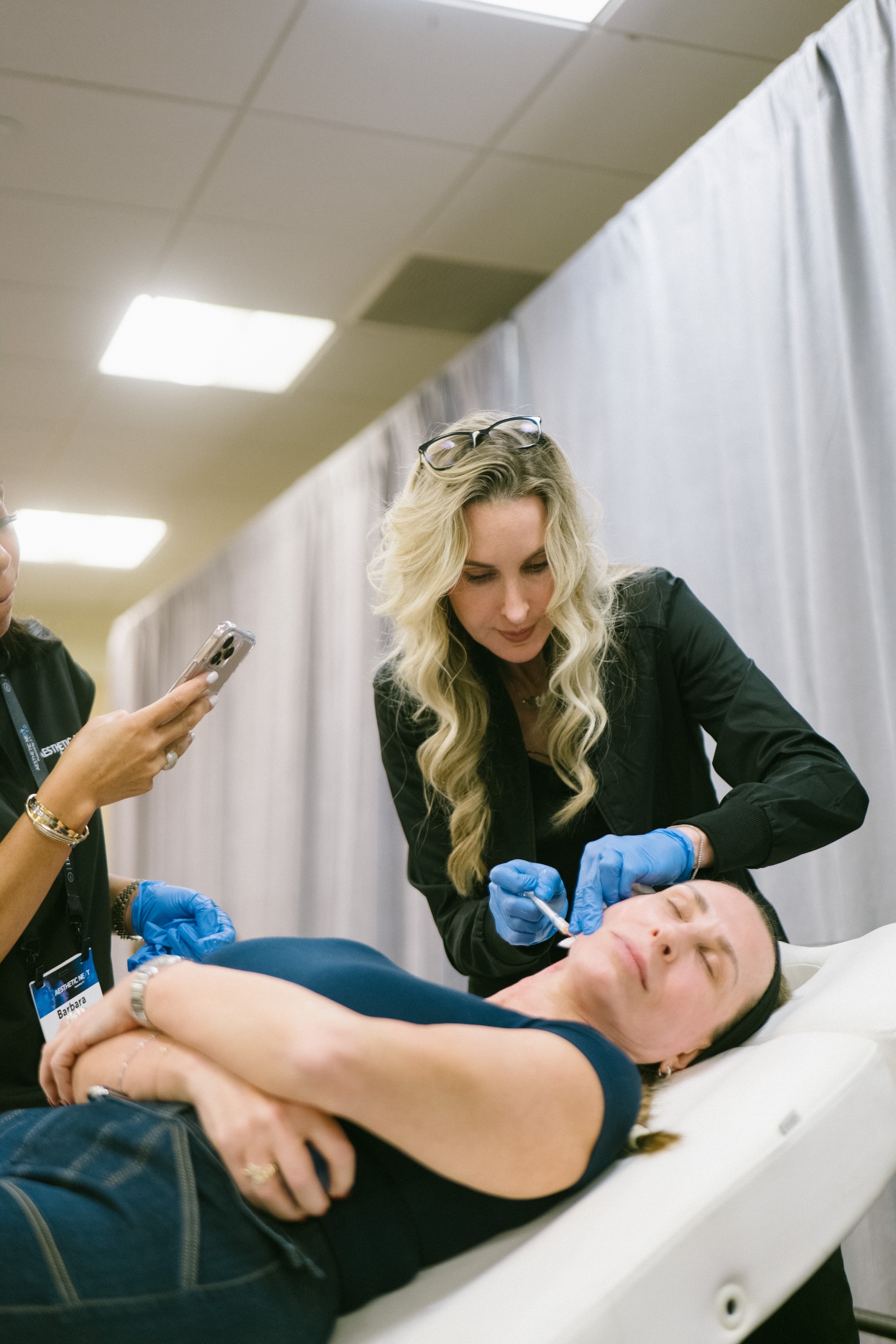
Med spa SEO is harder than it looks, for a reason most agencies do not say out loud: almost every med spa offers the same services, describes them the same way, and photographs them the same way. When ten practices in the same zip code have near-identical pages for Botox, filler, laser, and facials, there is nothing for a search engine to prefer. Rankings go to whoever has the most reviews and the oldest domain.
The way out is not more blog posts. It is giving the practice a point of view and a structure that search engines and patients can both tell apart.
The sameness problem
Look at the first page of results for "med spa" in any major city and the pattern is obvious: neutral palettes, a script logo, a hero image of a woman touching her cheek, a services menu copied from the device manufacturer, and a booking button. Those sites rank roughly according to how long they have existed and how many reviews they have collected.
A new med spa cannot win that race on age. It can win on specificity: being the practice that is clearly about something — a provider, a philosophy, a patient, a result — and saying so on every page.
Search engines rank what they can describe. "A med spa in Dallas" is not a description. "The injector-led practice for natural facial balancing in Highland Park" is.
1. Treatment pages that answer the patient, not the manufacturer
Each treatment you want to be known for needs its own page. Not "Injectables" — Botox and Dysport, lip filler, cheek filler, under-eye filler, and Sculptra each answer a different search. For each one:
- What it treats, in the words patients use ("forehead lines," "tired eyes"), not only clinical terms
- Who it is right for, and who should consider something else
- What the appointment and the first two weeks are actually like
- Results from your practice, labeled and consistent
- Who performs it, linked to their provider page
- A clear price or price philosophy, and how to book
Device and product names matter because patients search them, but a page that reads like the manufacturer's brochure gives Google no reason to rank your version over the manufacturer's — or the forty other practices using the same copy.
2. Provider pages are the brand
In aesthetics, patients follow injectors. Each provider should have a page with their name, credentials, how long they have been injecting, what they specialize in, their aesthetic philosophy, and real photography. Those pages rank for the provider's own name — a search that converts better than almost any other — and they carry trust to every treatment page they link to.
For an injector opening their own practice, this is the single most valuable page on the site. Patients who already follow you will search your name the week you announce.
3. Local search is most of the game
For med spas, the map listing usually matters more than the organic results below it. The fundamentals:
- Google Business Profile, complete. Correct primary category, every treatment listed as a service, real interior and provider photos added on a schedule, booking link to the actual booking flow.
- A steady flow of reviews. Ask every happy patient, consistently, through the booking or follow-up system. Respond to every review without referencing treatment details.
- Consistent name, address, and phone across the site, Google, Apple Maps, Yelp, and booking platforms.
- A location page per address, with directions, parking, and the providers who work there.
If you are opening a new med spa, create and verify the business profile as soon as the lease is signed. Verification can take weeks, and the listing needs time to build history.
4. The booking platform cannot be the website
Many med spas send every visitor straight to a booking platform page. Those pages are built for booking, not for search, and they live on someone else's domain. The authority they build mostly belongs to the platform. Keep booking embedded in or linked from your own treatment pages, so the page that ranks is also the page that converts.
5. Speed, structure, and the phone
Most med spa traffic comes from Instagram, on a phone. A site that autoplays a heavy video, shifts layout as it loads, or hides the booking button below three scrolls loses patients before search even matters. Aim for green Core Web Vitals on mobile, one clear H1 per page, descriptive titles, and structured data that identifies the business as a medical spa with real providers.
6. Content that earns links
The links that move a med spa are local and reputational: features in city magazines and wedding publications, collaborations with local businesses, events, provider interviews, and press for a launch that is actually worth covering. A practice with a recognizable brand earns those. A practice that looks like a template rarely does.
A blog helps when each post answers a real patient question in your providers' voice and links back to the treatment page — what to expect at a first filler appointment, how to choose an injector, how to plan treatments before a wedding. Generic posts produced in bulk rarely rank and rarely convert.
What to measure
- Calls, direction requests, and website clicks from the Google Business Profile each month
- Search Console clicks to each treatment and provider page
- Bookings by source: map listing, organic, Instagram, referral
- Review count and average, month over month
When rankings rise and bookings do not, look at the page the patient lands on. That is a brand and website problem, and it is fixable.
Where to start
An established med spa should start with provider pages, the three treatments that matter most, and the business profile. A new med spa should start earlier: positioning, name, domain, business profile, and a website that launches before opening with a waitlist. Our launch roadmap for new med spas covers the sequence, and our med spa website design work builds the site on it.

Fernando Guerrero
Founder & Creative Director, ZOE Creative IO
Fernando leads brand consulting and development for plastic surgeons, med spas, and aesthetic practices from ZOE's studio in Fort Worth, Texas. About ZOE
What is med spa SEO?+
Med spa SEO is the work of making a medical spa appear when patients search for its treatments and providers nearby. It covers treatment and provider pages, Google Business Profile and reviews, site speed and structure, and earning local links and press.
How long does SEO take for a new med spa?+
Local map rankings can start moving within a few months once the business profile is verified and reviews come in. Organic rankings for competitive city terms usually take six to twelve months. Starting before opening shortens the wait.
Do I need a separate page for every treatment?+
For every treatment you want to be found for, yes. Patients search for specific treatments, and one combined injectables page cannot rank for all of them.
Should my med spa website just link to my booking platform?+
Link to it or embed it, but keep the treatment pages on your own domain. The page that ranks should be your page, with booking one click away.