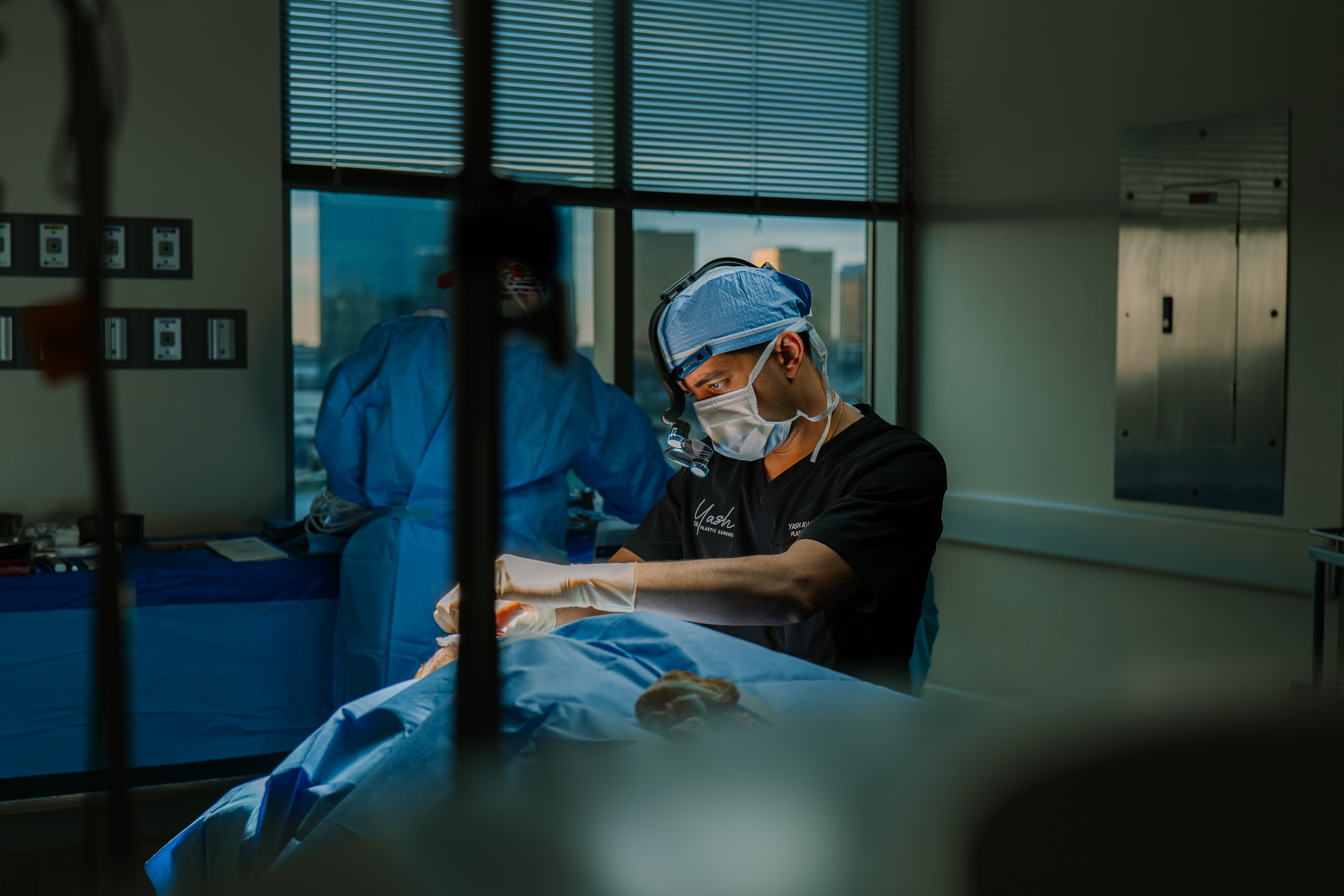
Starting a Plastic Surgery Practice in Manhattan
A new Manhattan practice opens blocks from surgeons patients already know. Here is how New York's market, ownership rules, office-based surgery law and strict advertising rules shape the brand and the launch.
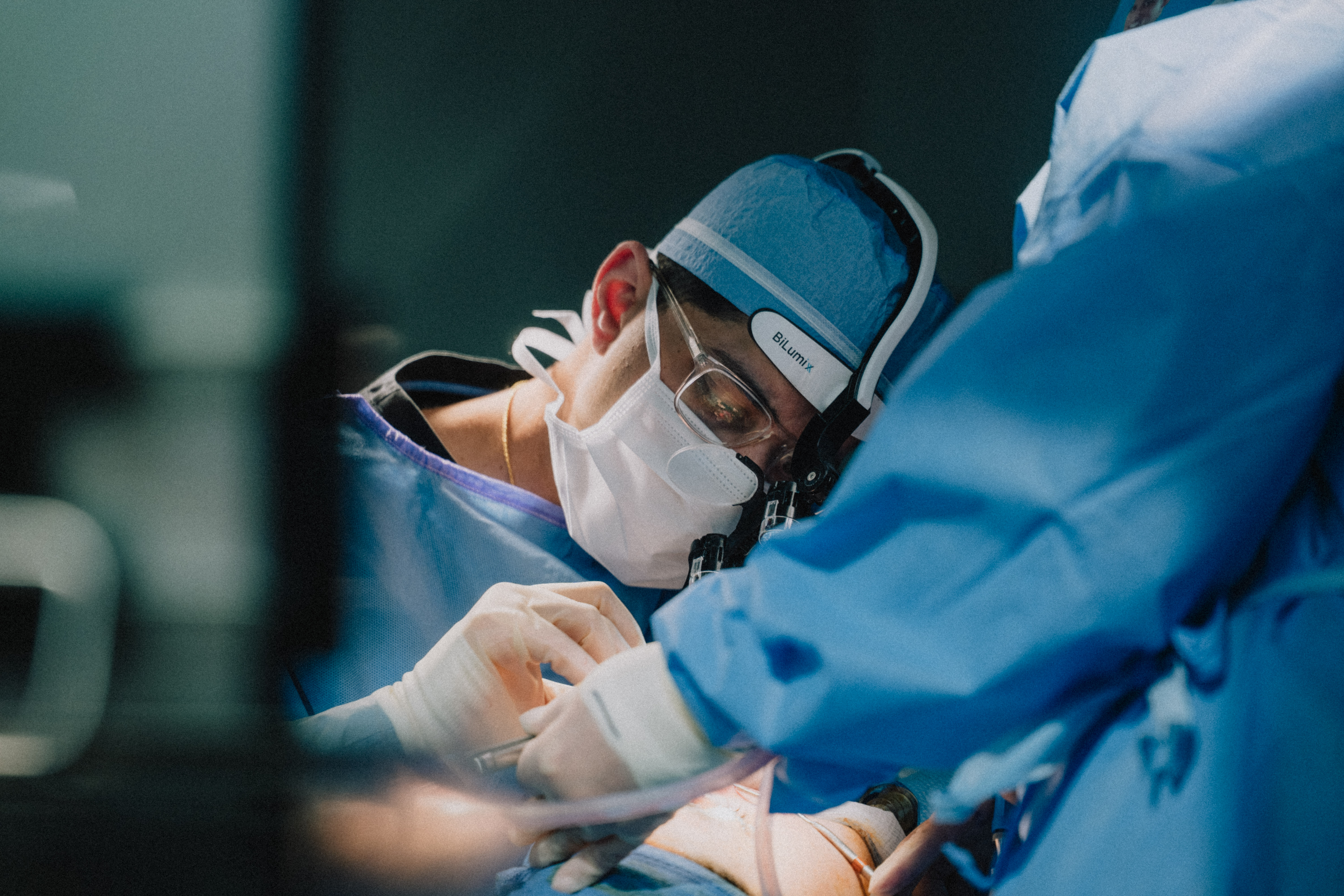
Opening a plastic surgery practice in Manhattan means opening a few blocks from surgeons whose names patients already know. On the Upper East Side, a new practice is not introducing a category. It is asking a patient who has a friend's surgeon, a dermatologist's referral, and three magazine names in her head to add one more.
That is the real starting condition in New York. The clinical training is assumed. The question every new Manhattan practice has to answer is why a patient should choose a surgeon she has not heard of, in a market where she has heard of plenty.
The Manhattan market: what is different here
Density. The Upper East Side, roughly the 60s through the 80s between Fifth and Lexington, is one of the most concentrated clusters of aesthetic surgeons in the country, anchored by the hospitals along First and York and the medical buildings and ground-floor co-op suites that fill the side streets. Midtown and the Plaza District add another layer, and Flatiron and downtown have become the address for newer, younger-skewing practices. Treat that as an observation rather than a statistic, but anyone who has walked East 70th Street knows it.
Space is small and expensive. Commercial brokers currently quote Upper East Side medical space at roughly 70 to more than 130 dollars per square foot per year, the top of the Manhattan market. New practices often open in a compact suite, frequently a co-op or condo ground floor. A small footprint changes the brand problem: the waiting room, the consult room, and the photography all have to do more with less.
Patients search, heavily, and specifically. Search demand in New York is procedure-led. Keyword tools estimated, in October 2026, roughly 2,900 monthly US searches for "rhinoplasty nyc", 2,400 for "breast augmentation nyc", 1,900 for "facelift nyc", and 1,600 for "plastic surgeon nyc". The procedure terms outnumber the generic ones, which tells you how a Manhattan patient shops: by procedure first, surgeon second.
Referral and press still decide a lot. Much of the established Upper East Side patient base arrives through a dermatologist, an internist, a friend, or a feature. A new practice needs a plan for both: a referral network built one physician at a time, and a story clear enough that an editor can write it in one sentence.
The aesthetic is restraint. The prevailing Manhattan look is the result nobody notices: rested, refreshed, undetectable. Patients here often want discretion more than transformation. A brand that reads loud, discounted, or trend-driven tends to signal the wrong practice for this patient.
The rules that shape the business
New York's rules are strict and they directly affect how the practice is owned, where surgery happens, and what the marketing can say. What follows is a summary with links to the primary sources, not legal advice.
Ownership: physicians own the practice
New York does not allow a general business corporation to practice medicine. A practice is typically organized as a professional service corporation (PC) or a professional limited liability company (PLLC). Under Business Corporation Law section 1507, a PC may issue shares only to individuals authorized by law to practice in New York. Under Limited Liability Company Law section 1207, members of a medical PLLC must be licensed to practice medicine.
These entities are filed through the NYSED Office of the Professions, which, for a domestic PC, attaches a Certificate of Authority before the filing goes to the Department of State. Plan for that step in the timeline. NYSED asks filers to wait at least six weeks before asking about status.
Investor and management arrangements are where New York practices get into trouble. Education Law section 6530 defines professional misconduct to include permitting anyone outside the listed exceptions to share in fees for professional services, and paying or receiving fees for patient referrals. If a management services organization or outside investor is involved, note also that the Department of Health treats some practice and MSO deals as reportable under the material transactions law (Public Health Law Article 45-A), with notice due at least 30 days before closing when the revenue threshold is met.
Where surgery happens: office-based surgery requires accreditation
Public Health Law section 230-d defines office-based surgery as any surgical or invasive procedure requiring general anesthesia, moderate sedation, or deep sedation, and any liposuction, performed by a licensee anywhere other than a hospital. A practice that performs office-based surgery must obtain and maintain full accreditation, and a surgeon may perform it only in an accredited setting.
The Department of Health recognizes four accrediting agencies: AAAHC, ACHC, The Joint Commission, and QUAD A (AAAASF). Adverse events must be reported to the department's patient safety center within three business days under 230-d. The department also publishes a list of accredited office-based surgery practices, so patients can check.
For body practices, read the department's liposuction and fat grafting guidance (revised April 2024): large-volume liposuction over 5,000 cc of total aspirate belongs in an Article 28 facility, and gluteal fat injection must stay in the subcutaneous space.
Article 28 versus an accredited office
A hospital or ambulatory surgery center is licensed by the state under Public Health Law Article 28 and goes through the Public Health and Health Planning Council certificate-of-need process. An accredited office suite is regulated through 230-d instead. Many new Manhattan practices start with a consult office plus operating privileges at a hospital or ASC, then decide whether to build an accredited operating room once volume justifies it. That decision changes the build-out, the opening date, and what the website can promise, so make it early.
Advertising: stricter than most states
Education Law section 6530, subdivision 27, makes it misconduct to advertise in a way that is not in the public interest, and lists what that includes: advertising that is false, deceptive, misleading, sensational, or flamboyant; that uses testimonials; that guarantees a service; that makes claims of superiority that cannot be substantiated; or that offers inducements other than a discount on an established fee. Licensees must keep an exact copy of each advertisement for one year after it last appears. And a licensee may not pay or give anything of value to a member of the media in return for professional publicity in a news item.
For a Manhattan launch, three of those clauses matter more than the rest:
- Testimonials. Patient quotes and video stories in paid or owned advertising need an attorney's review before they go anywhere.
- Superiority claims. "Best," "top," and "leading" are claims you would have to substantiate. Leave them out.
- Press. Earned press is a large part of the Manhattan playbook. Paying for placement disguised as editorial is not.
Brand implications: how to stand out here
The rules and the market point in the same direction. A Manhattan practice cannot shout, and its patients do not want it to.
- Lead with a point of view, not adjectives. "Facial surgery for people who want to look like themselves, rested" is a positioning. "World-class, award-winning results" is a liability under subdivision 27 and indistinguishable from the practice next door.
- Decide what you are known for. In a procedure-led search market, a practice that owns two or three procedures clearly outranks one that lists forty. Build the site and the content around those.
- Name for the long term. A surgeon-name practice fits the Upper East Side referral culture. A practice name scales better if you plan to add partners or an injector suite. We cover the trade-off in practice name or surgeon name.
- Design for quiet. Restrained typography, real photography of the actual space, and before-and-after galleries that show subtle results consistently. In a small suite, every surface on camera has to hold up.
- Give referrers something to send. A one-page physician summary, a clear consult process, and a website that makes the referring doctor look good for sending the patient.
- Earn search one procedure at a time. Procedure pages written by the surgeon, with real explanation and real photography, are what compete for "rhinoplasty nyc." Our plastic surgery SEO guide covers how.
This is where plastic surgery branding and a practice website built for search do most of their work.
Launch timeline: work backward from opening day
| When | What happens |
|---|---|
| 12 to 9 months out | Attorney and accountant engaged; PC or PLLC filed through NYSED; decide office-based surgery versus hospital or ASC privileges; space search begins |
| 9 to 6 months out | Lease signed; positioning, name, trademark and domain; brand identity; accreditation agency chosen if building an operating room |
| 6 to 4 months out | Build-out; surgeon portraits and content; procedure pages drafted around the two or three priority procedures |
| 4 to 2 months out | Website live with consult request; Google Business Profile created and verified; referral outreach to dermatologists and internists; press materials ready |
| 2 months out to opening | Environment photography in the finished suite; accreditation survey if applicable; advertising reviewed by counsel against subdivision 27 |
| Opening onward | Procedure content, before-and-after galleries as consents allow, ongoing referral and press relationships |
Accreditation timing deserves its own line on the project plan. Office-based surgery under sedation cannot begin until the practice is fully accredited, so if the operating room is part of the plan, the opening calendar depends on the survey date.
What belongs to someone else
Entity choice, ownership, any MSO or investor arrangement, the material transactions question, accreditation, Article 28 questions, and advertising review all belong with a New York healthcare attorney. Tax structure, lending, and the financial model belong with an accountant who works with medical practices. A brand agency should be able to tell you which questions to ask them. It should not be the one answering.
Next step
If you are planning a Manhattan opening, the sequence above is the practical order of work. Our launch roadmap for new plastic surgery practices covers each phase in detail, from positioning and name through the website and the first months open.
Fernando Guerrero
Founder & Creative Director, ZOE Creative IO
Fernando leads brand consulting and development for plastic surgeons, med spas, and aesthetic practices from ZOE's studio in Fort Worth, Texas. About ZOE
Can a non-physician own a plastic surgery practice in New York?+
Generally no. New York prohibits general business corporations from practicing medicine. A professional service corporation may issue shares only to individuals licensed to practice (BCL 1507), and medical PLLC members must be licensed physicians (LLC Law 1207). Management and investor arrangements are also limited by fee-splitting rules in Education Law 6530. Structure questions belong with a New York healthcare attorney.
Does a Manhattan practice need accreditation to operate in the office?+
If you perform office-based surgery, yes. Public Health Law 230-d covers procedures under general anesthesia, moderate or deep sedation, and any liposuction outside a hospital. Those practices must hold full accreditation from a Department of Health-recognized agency: AAAHC, ACHC, The Joint Commission, or QUAD A. Adverse events must be reported within three business days.
Can I use patient testimonials in New York advertising?+
Be careful. Education Law 6530(27) lists advertising that uses testimonials among advertising that is not in the public interest, along with sensational claims, guarantees, and unsubstantiated superiority claims. Physicians must also keep a copy of each ad for one year. Have a New York healthcare attorney review testimonial and review content before it runs.
How long does it take to open a plastic surgery practice in NYC?+
Plan on roughly nine to twelve months from forming the entity to opening day. Entity filing runs through NYSED before the Department of State, Manhattan space takes time to find and build out, and an in-office operating room adds an accreditation survey that can set the opening date.
What makes plastic surgery marketing in NYC different?+
Density and restraint. The Upper East Side has a heavy concentration of established surgeons, patients search by procedure, referrals and press still matter, and the prevailing aesthetic is the undetectable result. New York's advertising rules also bar sensational or flamboyant claims, so a clear point of view outperforms loud marketing.